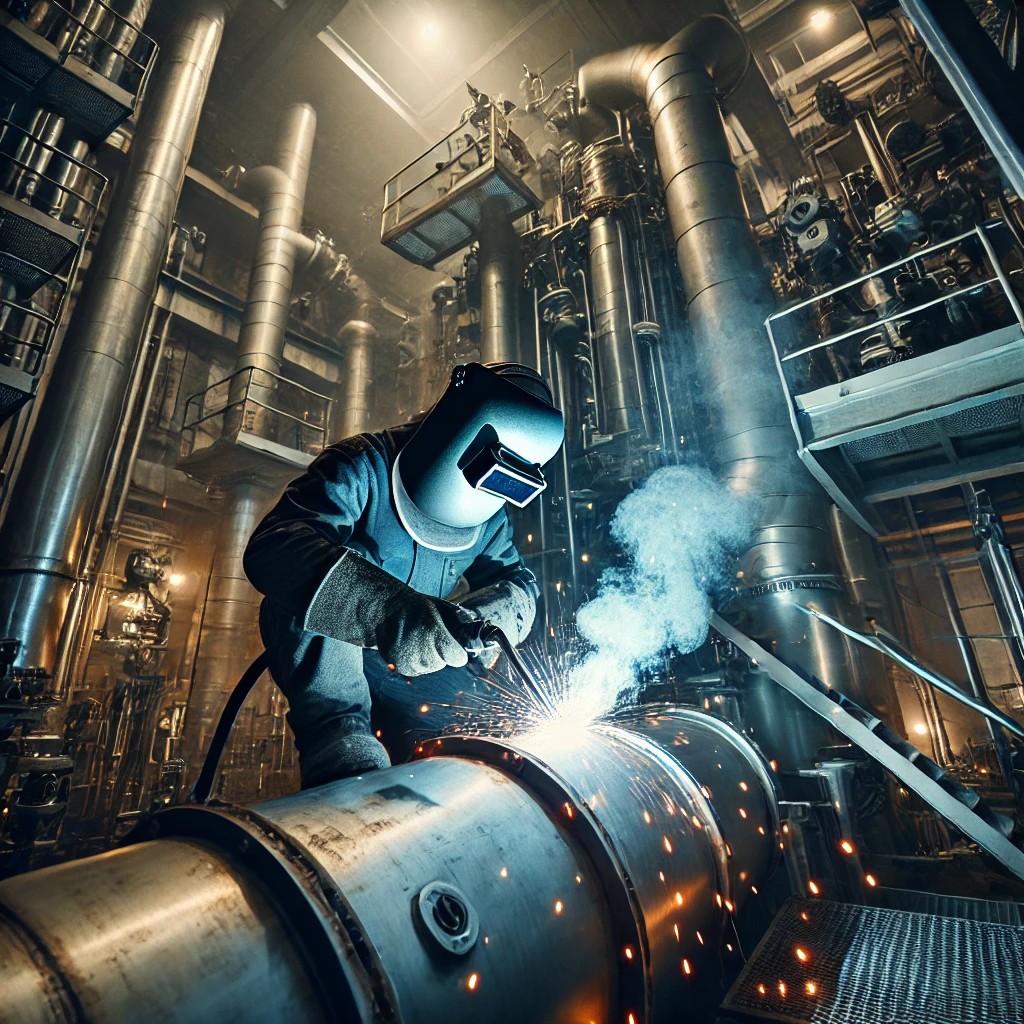
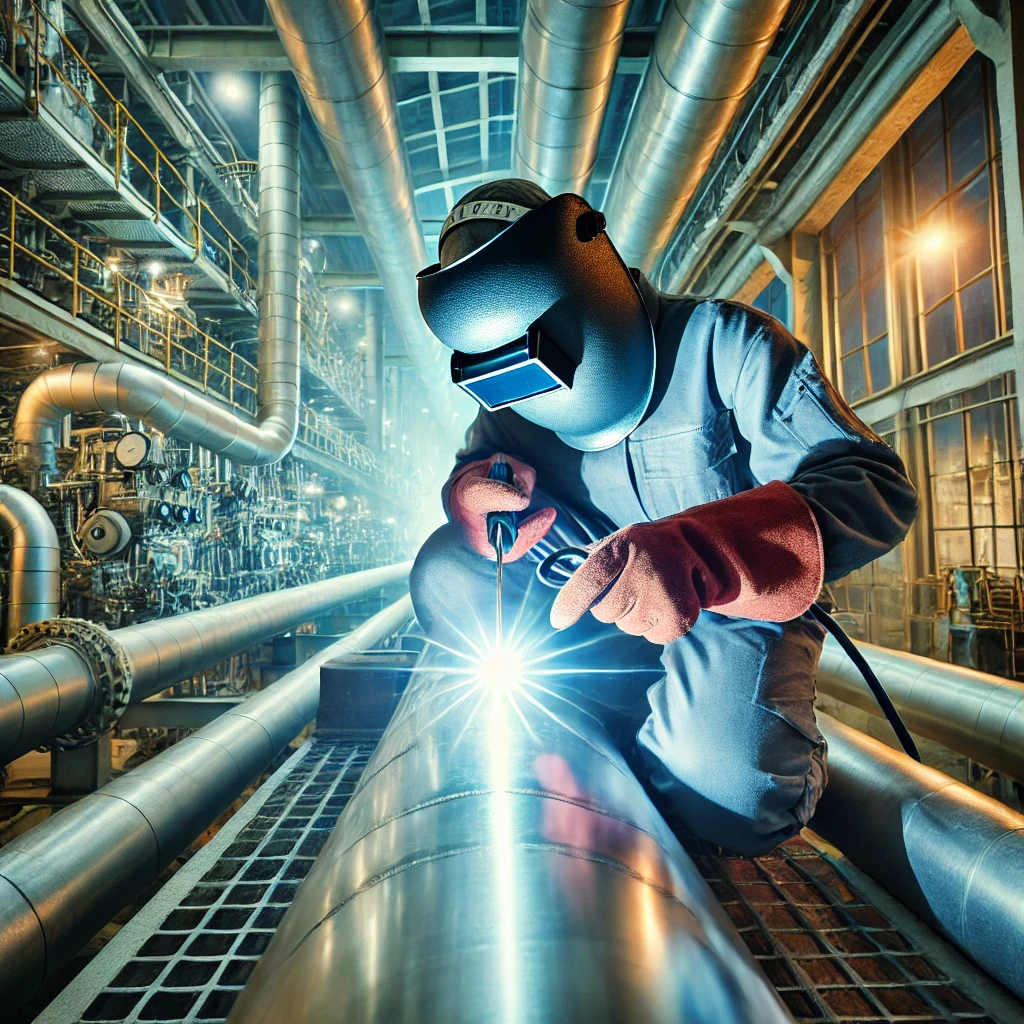
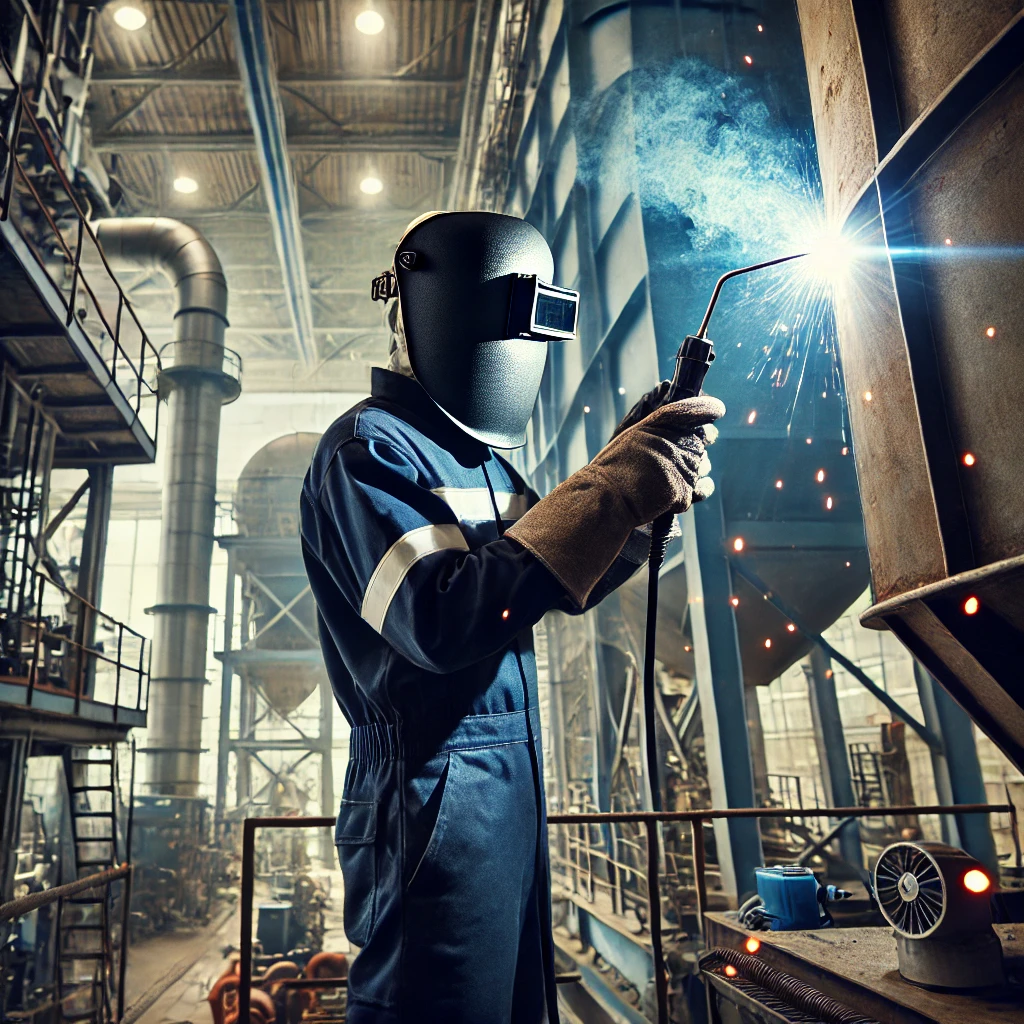
Discover how coded welders are transforming emergency repairs in the energy-from-waste sector! Our latest blog dives into the rapid response capabilities of these highly skilled professionals, showcasing how they minimize downtime and maintain operational continuity with their expert welding techniques. Learn how their precision and efficiency can save the day during critical breakdowns, ensuring your plant stays up and running.
Revitalise your industrial hoppers! Discover how stainless steel reinforcements and high-performance industrial coatings are transforming ageing equipment into resilient, long-lasting assets. Dive into our latest blog to see how these upgrades boost durability, cut downtime, and supercharge your production line.
The energy-from-waste (EfW) industry tackles global waste challenges while generating sustainable energy. Ensuring these facilities run safely and efficiently demands precise engineering. Coded welding—a specialised process that meets strict standards like BSEN and ASME—is crucial for component integrity. In this blog, we explore what coded welding involves, its role in the EfW sector, and how rigorous standards ensure safety and performance.
As the UK strives to meet ambitious net-zero targets and reduce landfill waste, Energy-from-Waste (EfW) power stations are playing a pivotal role in the country’s transition to a sustainable future. These facilities transform residual waste into energy, reducing reliance on fossil fuels and diverting waste from landfills. However, the success of EfW plants depends heavily on precise and reliable fabrication processes. This blog explores how advanced fabrication techniques are driving efficiency and sustainability in EfW power stations across the UK.
In industries ranging from mining to agriculture, steel hoppers are essential for handling bulk materials like coal, sand, grain, and minerals. However, the very nature of these materials can cause significant wear and tear on the hopper walls over time. This wear leads to frequent maintenance, downtime, and replacement costs, all of which can negatively impact productivity and profits. So, how can industries in the UK and beyond reduce wear rates in industrial steel hoppers and ensure longer equipment life?
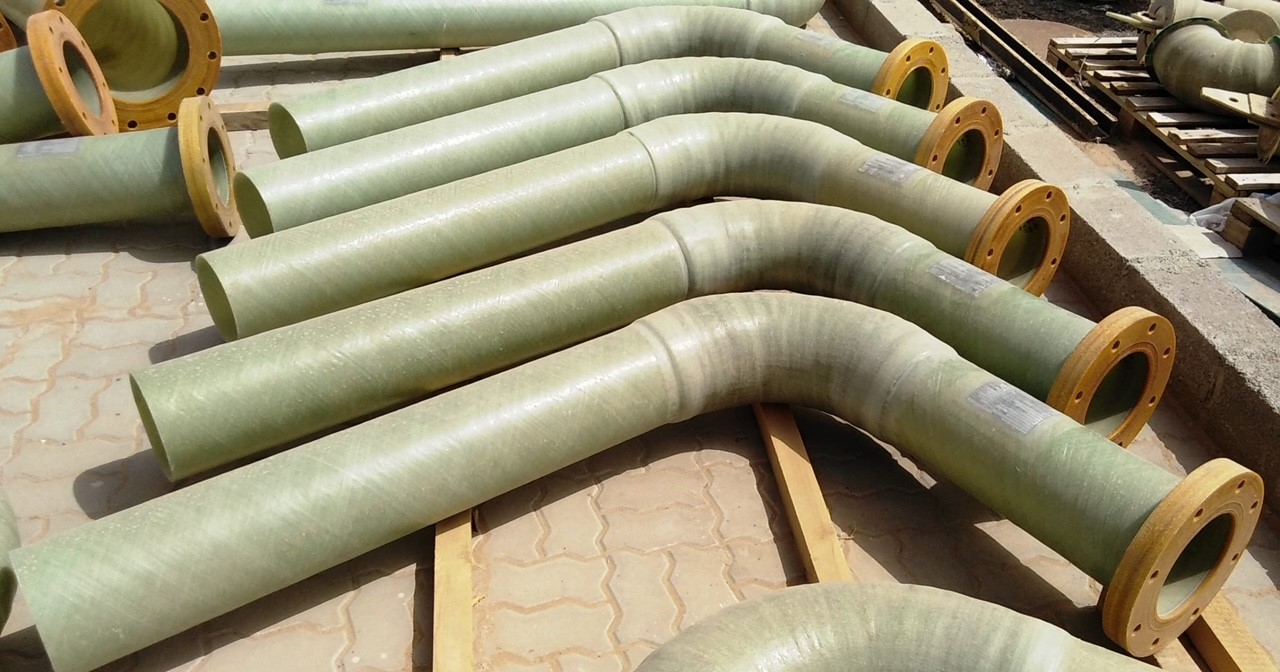
Is your industrial system struggling with pipework corrosion, frequent repairs, or high maintenance costs? Discover how GRP (Glass Reinforced Plastic) pipework replacement can enhance durability, improve performance, and save you money in the long run. Learn more about why GRP is the future of industrial systems in our latest blog!