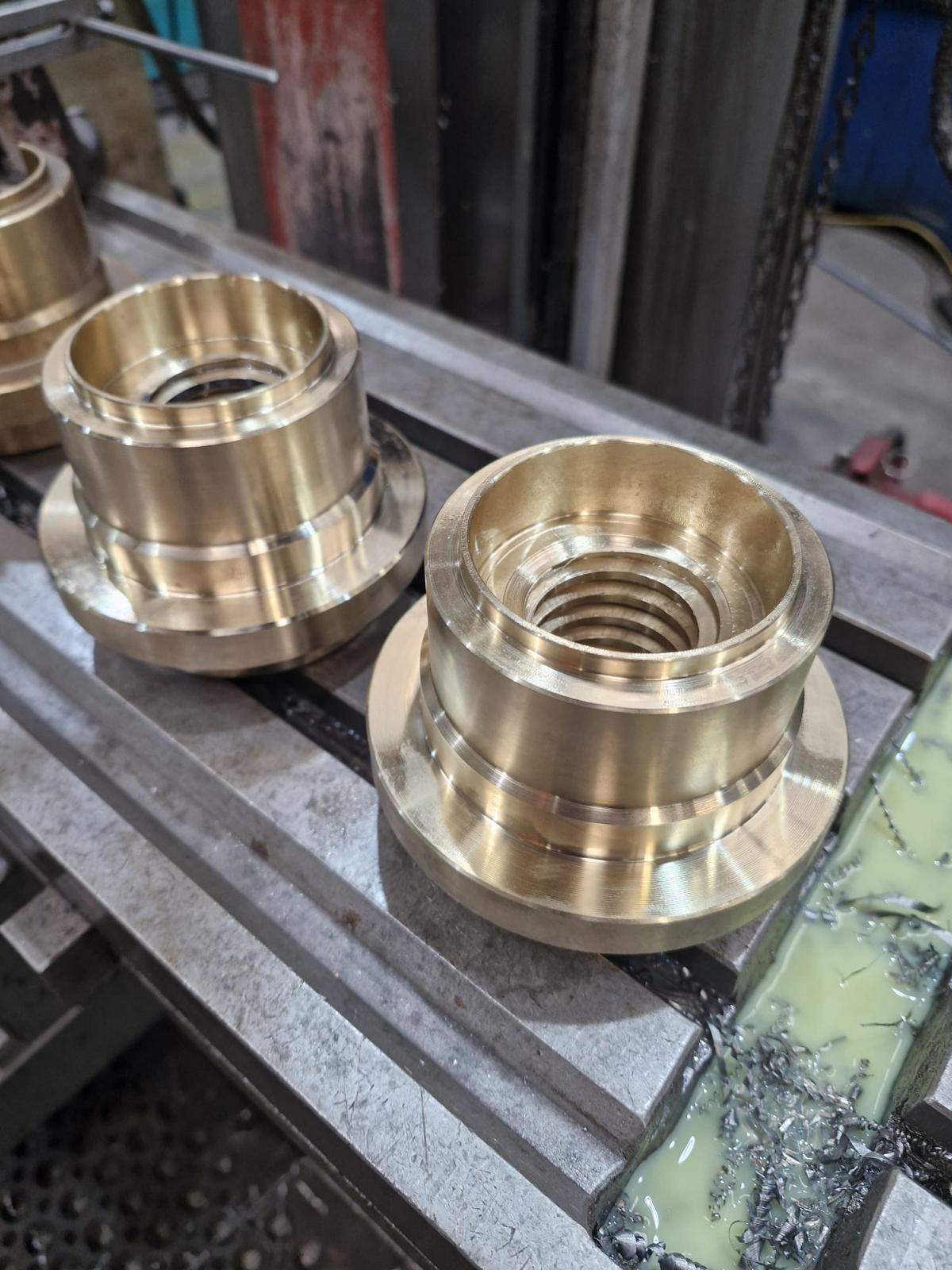
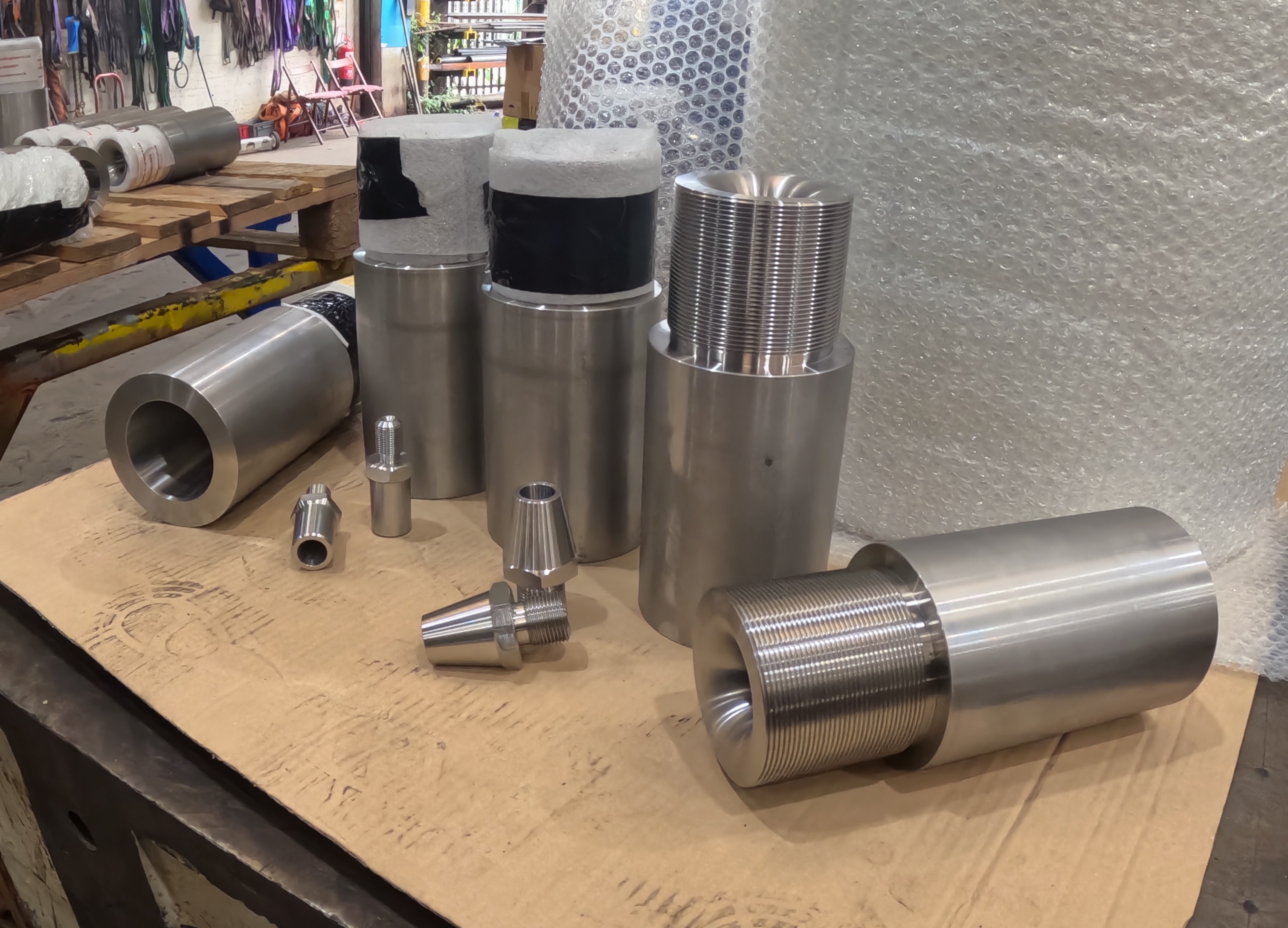
When a critical component fails and the original manufacturer can no longer supply it, the clock is ticking. Reverse engineering through precision machining can get your plant back online — often faster and more cost-effectively than you'd expect.
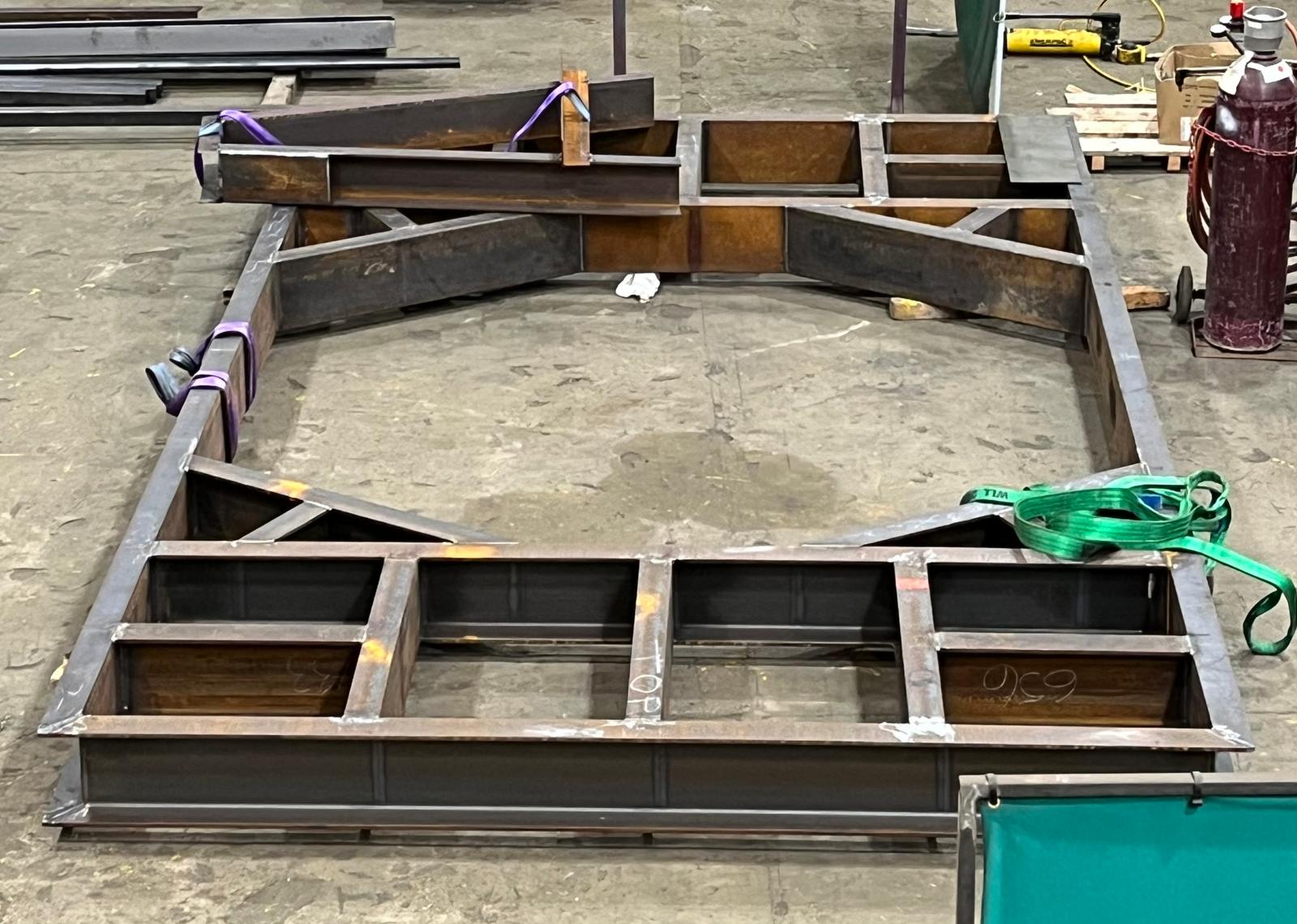
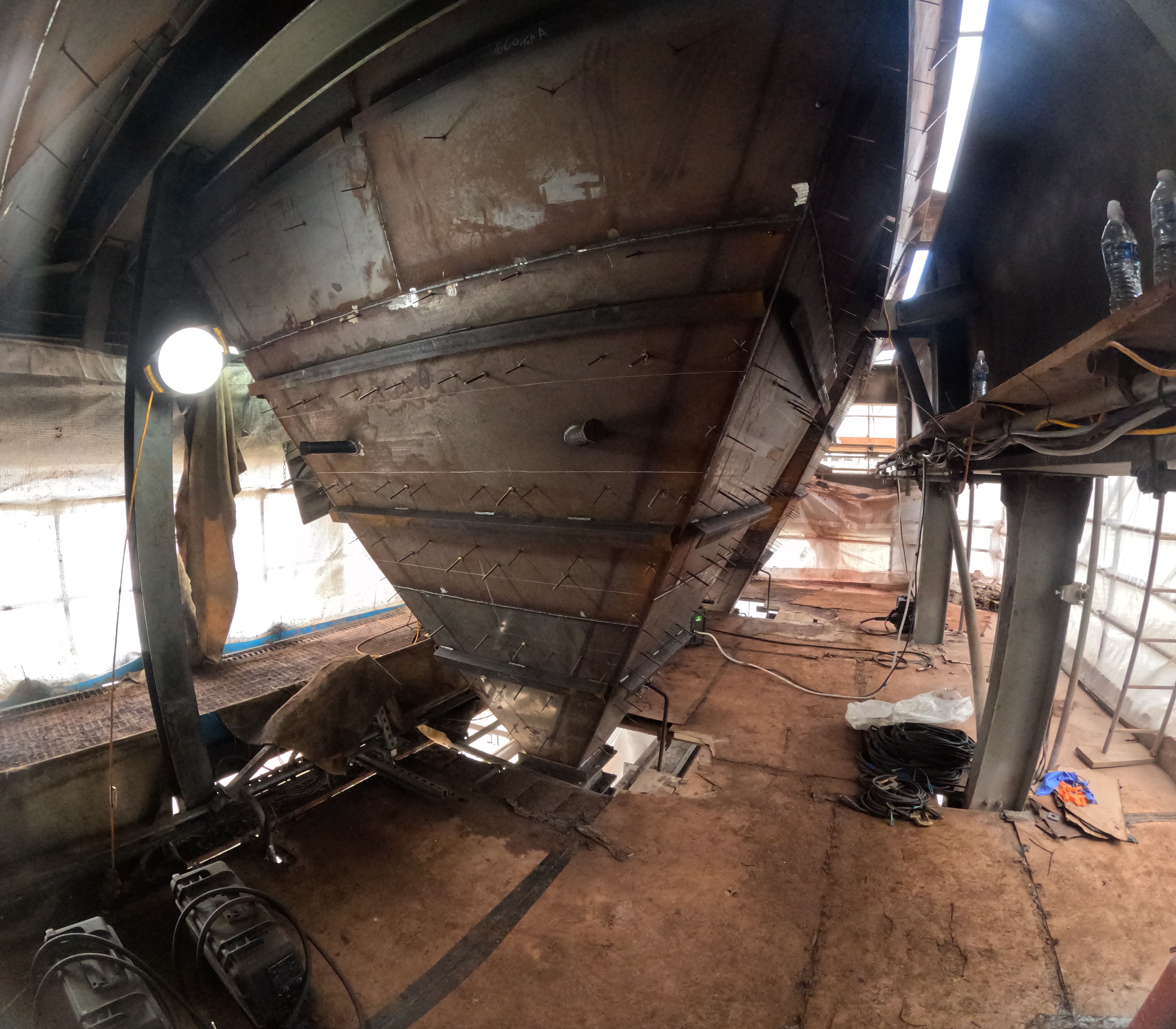
Splitting fabrication and installation between two contractors might look like smart procurement — but it often creates the disputes, delays, and cost overruns it was meant to avoid. Here's why single-contractor delivery consistently delivers better results.
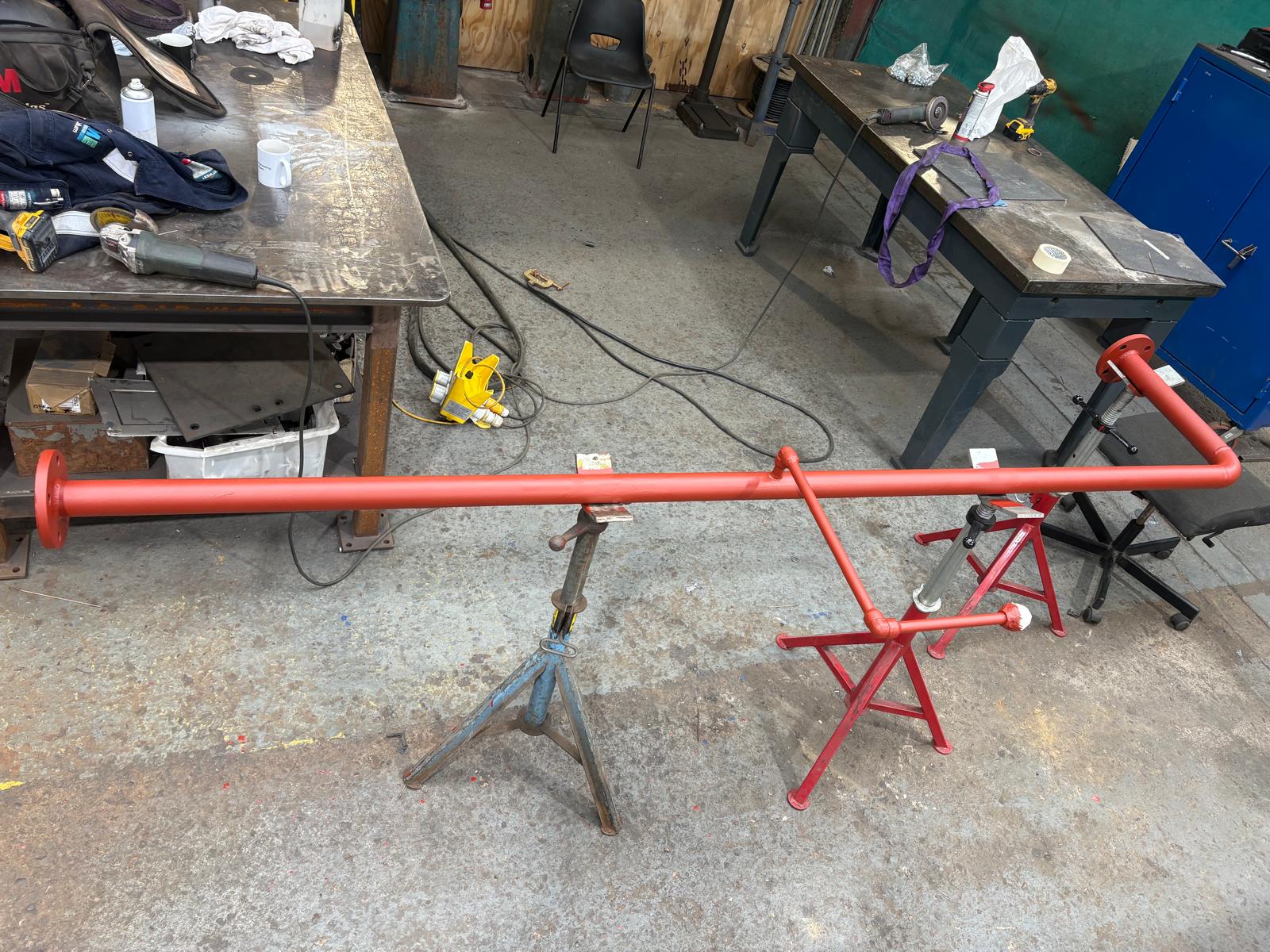
In turbine systems, pipework failures aren't minor inconveniences — they're costly, dangerous, and often avoidable. Discover why precision in fabrication and installation is non-negotiable, and what to look for in a contractor you can trust with high-pressure steam systems.
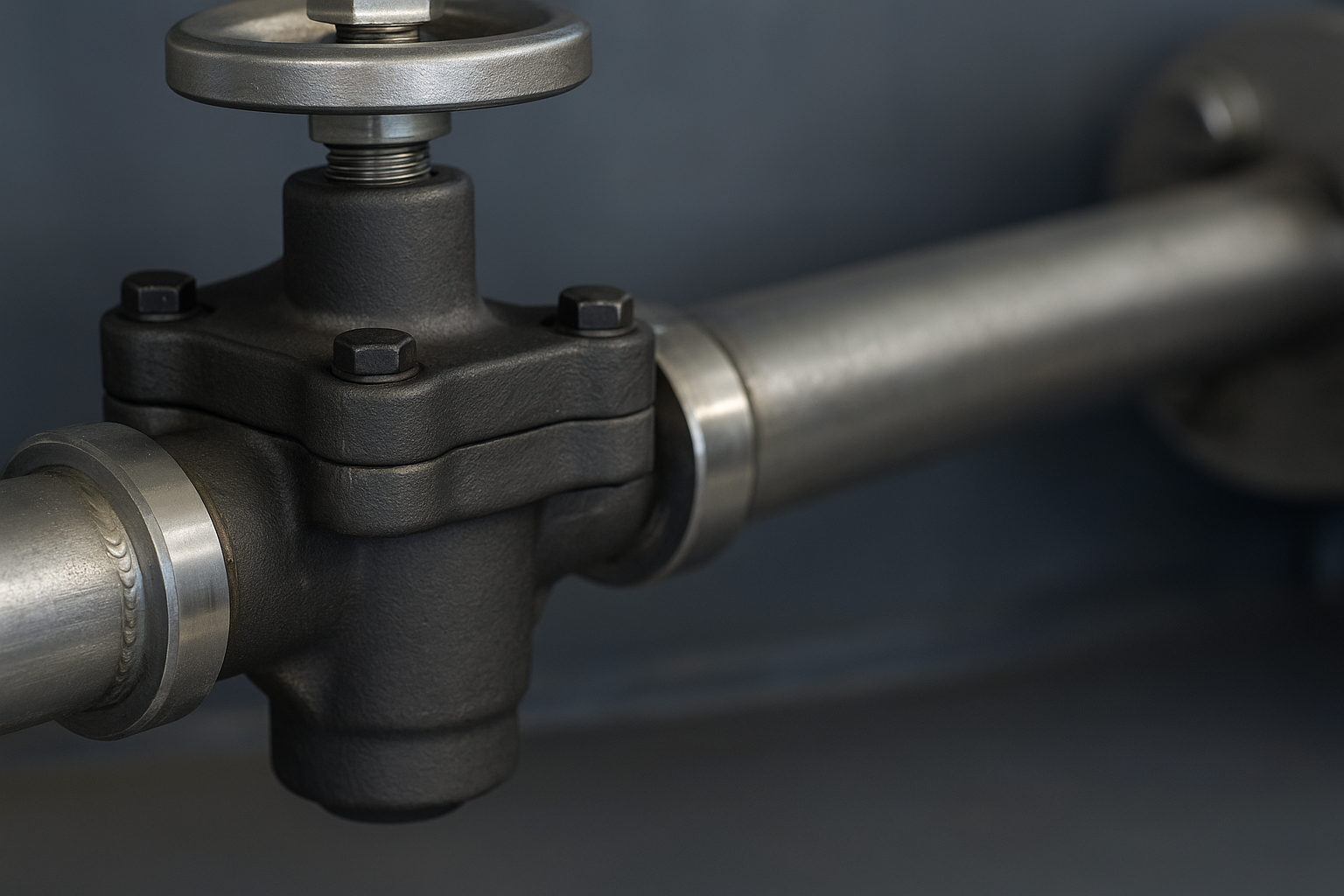
Looking for a reliable solution in demanding pipework systems? Socket weld valves offer compact design, strength, and leak resistance — making them ideal for high-pressure installations across energy, chemical, and process industries. Read our latest blog to find out more.
Is your baghouse maintenance more difficult than it needs to be? Upgrading your hoppers with flanged access panels and implementing routine wear checks can transform the way your team manages inspections and repairs. These simple, cost-effective modifications help reduce downtime, improve safety, and extend the life of your dust collection system.
In this blog, we break down why these upgrades matter—and how to implement them with minimal disruption.
It’s easy to overlook the smaller components in a complex Energy-from-Waste (EfW) plant — but doing so can come at a cost.
Rappers, the mechanical devices that keep electrostatic precipitators clean, play a critical role in keeping emissions low and operations efficient. When they fail, the consequences can be costly: from regulatory breaches to unexpected downtime.
In this blog, we explore why maintaining rappers is essential, the risks of delaying repairs, and the warning signs every plant should watch out for.