Splitting fabrication and installation between two contractors might look like smart procurement — but it often creates the disputes, delays, and cost overruns it was meant to avoid. Here's why single-contractor delivery consistently delivers better results.
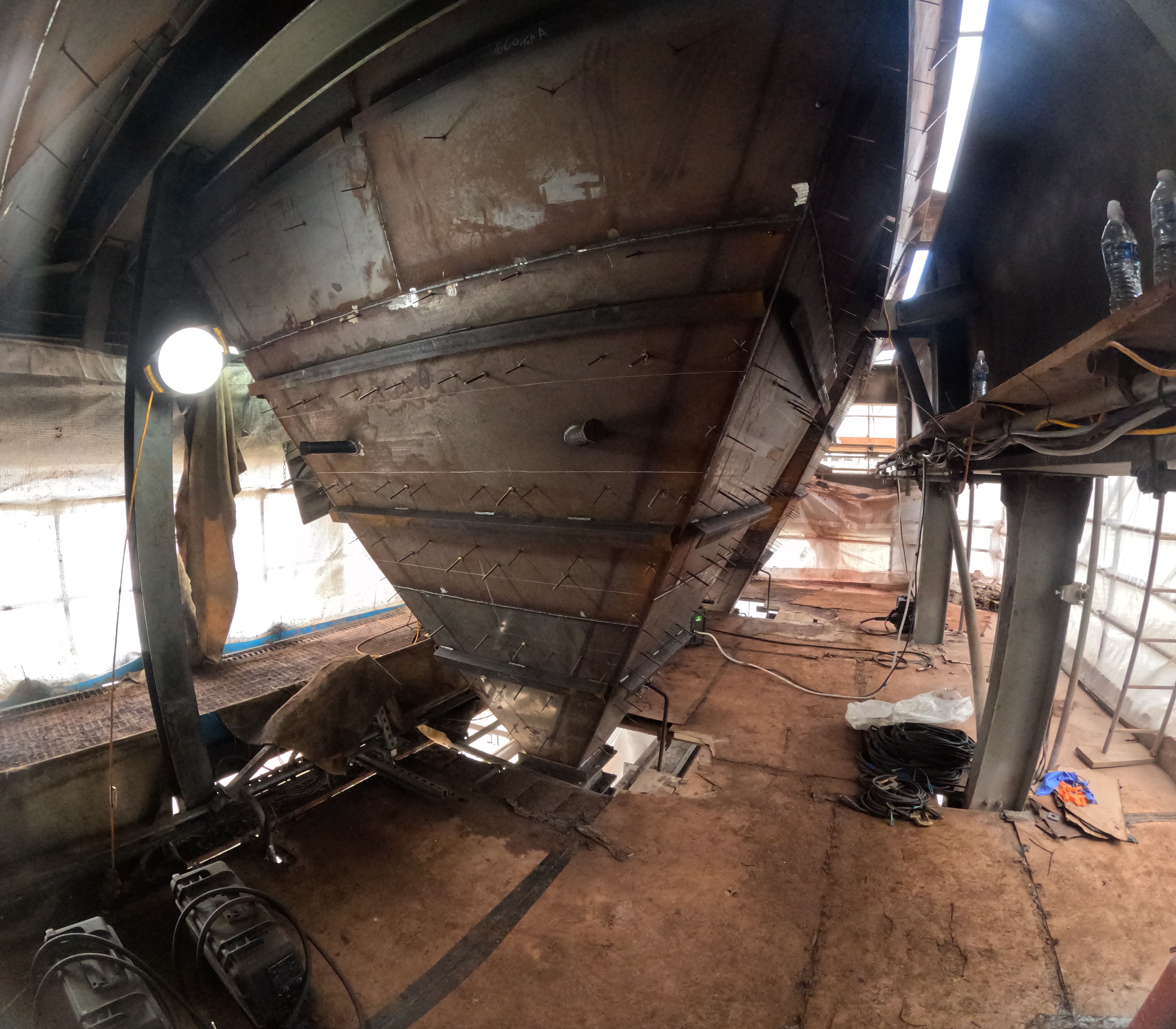
Is your baghouse maintenance more difficult than it needs to be? Upgrading your hoppers with flanged access panels and implementing routine wear checks can transform the way your team manages inspections and repairs. These simple, cost-effective modifications help reduce downtime, improve safety, and extend the life of your dust collection system.
In this blog, we break down why these upgrades matter—and how to implement them with minimal disruption.
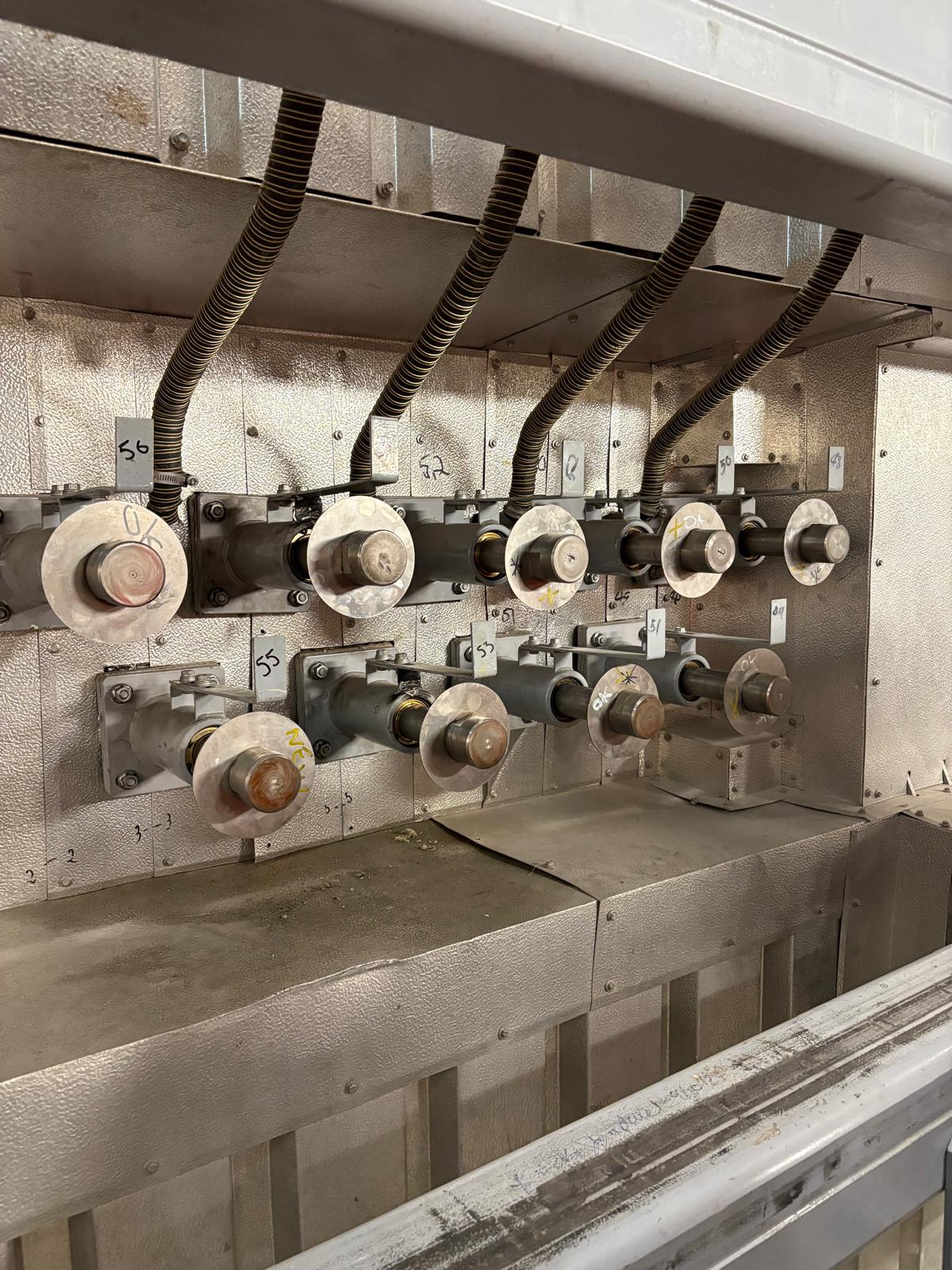
Discover how precision-manufactured rappers are transforming rapping system reliability in EfW plants. From improved performance to long-term durability, our latest blog explores the impact of quality engineering.
Revitalise your industrial hoppers! Discover how stainless steel reinforcements and high-performance industrial coatings are transforming ageing equipment into resilient, long-lasting assets. Dive into our latest blog to see how these upgrades boost durability, cut downtime, and supercharge your production line.
As the UK strives to meet ambitious net-zero targets and reduce landfill waste, Energy-from-Waste (EfW) power stations are playing a pivotal role in the country’s transition to a sustainable future. These facilities transform residual waste into energy, reducing reliance on fossil fuels and diverting waste from landfills. However, the success of EfW plants depends heavily on precise and reliable fabrication processes. This blog explores how advanced fabrication techniques are driving efficiency and sustainability in EfW power stations across the UK.
In industries ranging from mining to agriculture, steel hoppers are essential for handling bulk materials like coal, sand, grain, and minerals. However, the very nature of these materials can cause significant wear and tear on the hopper walls over time. This wear leads to frequent maintenance, downtime, and replacement costs, all of which can negatively impact productivity and profits. So, how can industries in the UK and beyond reduce wear rates in industrial steel hoppers and ensure longer equipment life?